Where Space Meets Art
The intersection between space and art is philosophical, scientific, but also profoundly human. From star maps to installations, artists have always taken the universe as a point of inspiration for expression. Today, the relationship between both is seen in spaces such as aerospace and data institutions.

Kapoor, Anish. Leviathan. 2011, Grand Palais, Paris. Photograph by Benjamin Bergery, blog.bergery.net,https://i0.wp.com/d2jv9003bew7ag.cloudfront.net/uploads/Anish-Kapoor-Leviathan-2011.-Photo-Benjamin-Bergery.-Image-via-blog.bergery.net_.jpg?ssl=1
An example of such is the KSEVT (Cultural Center of European Space Technologies) in Slovenia, where architecture is merged with cosmic thought. The building is inspired by the concept of a rotating space station (KSVET).

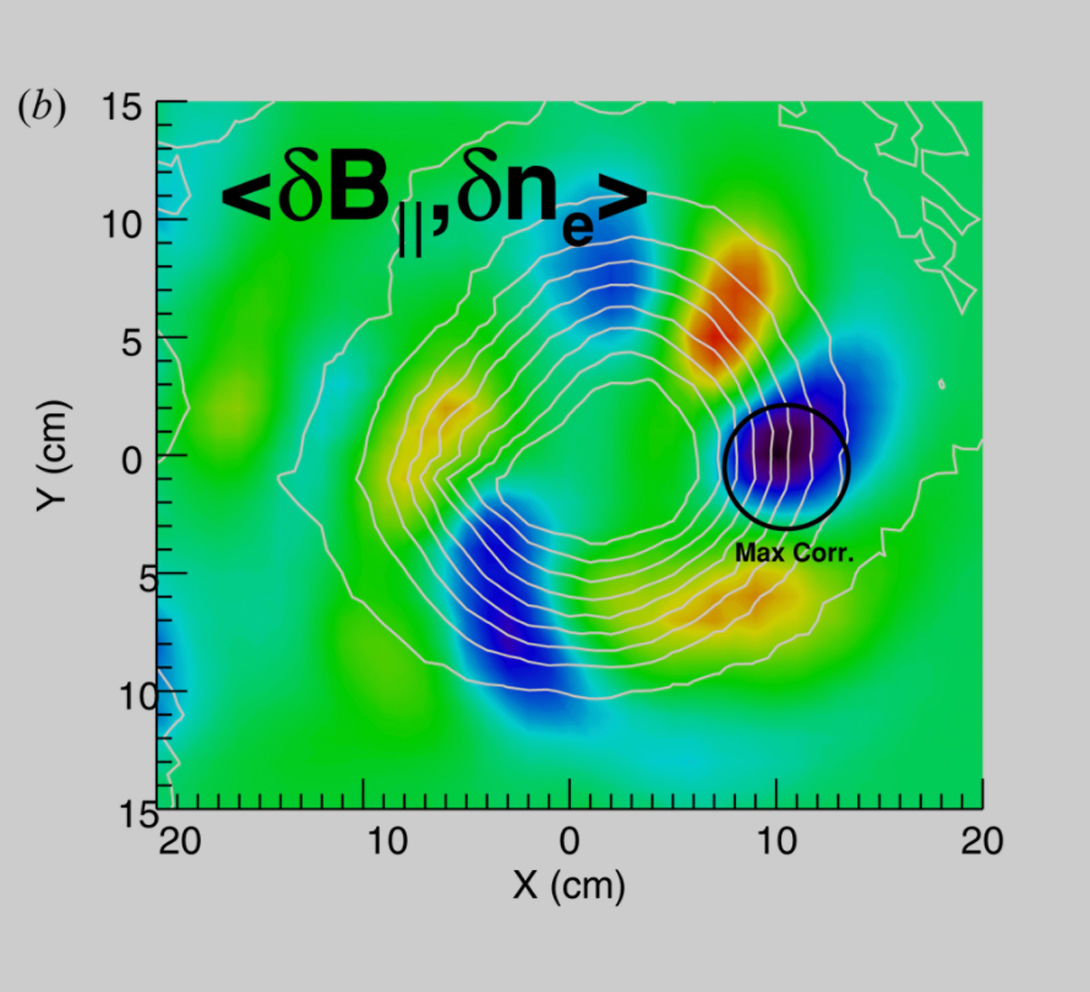
Electromagnetic Turbulence in Increased β Plasmas in the Large Plasma Device. UCLA Basic Plasma Science Facility, plasma.physics.ucla.edu/assets/images/publication-4.jpg
At UCLA, the Basic Plasma Science Facility replicates magnetic fields and auroras under laboratory conditions. Although it is a scientific lab, the work also has a visual and conceptual richness that encourages artistic interpretation (“Home | Basic Plasma Science Facility”).
NASA’s Art and Science initiatives reinforce this idea, with a page on its website encouraging engagement through coloring exoplanets, crafting space origami, and remixing data from missions like Juno and James Webb. These programs turn space-related concepts into accessible art for the youth, blurring the line between STEM and imagination (“Art and Science”).

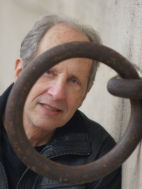
Clar, Richard. Portrait of Richard Clar. 2005. Art Technologies, www.arttechnologies.com/site-2005/images-2005/richard-image/richard-headshot2.jpg
Richard Clar took the intersection from a different angle. In 1982, he collaborated with aerospace firms to launch artwork into orbit, and his projects deal with planetary issues (“Website of Richard Clar and Art Technologies, a Collaboration between Space Technology and the Arts”).
In gallery settings, artists like James Turnell and Anish Kapoor use light and scale to challenge spatial orientation and emotional perception, offering metaphysical journeys that mirror space travel (Anapur).
Together, these examples show that space and art interact in many different ways and in very different spaces.
Works Cited
“About the Artist RICHARD CLAR, Founder and President of Art Technologies.” Arttechnologies.com, 2022, www.arttechnologies.com/site-2005/richard-clar.html.
Anapur, Eli. “What Is Space in Art? Examples and Definition - Artsper Magazine.” Artsper Magazine, 18 Mar. 2025, blog.artsper.com/en/a-closer-look/contemporary-art/space-in-art/.
“Art and Science.” Nasa.gov, 17 Apr. 2017, science.nasa.gov/engage/art-and-science/.
“Home | Basic Plasma Science Facility.” Plasma.physics.ucla.edu, plasma.physics.ucla.edu/.
KSEVT, BUILDING. “KSEVT.” KSEVT, 2025, www.ksevt.eu/about.
“Website of Richard Clar and Art Technologies, a Collaboration between Space Technology and the Arts.” Arttechnologies.com, 2025, www.arttechnologies.com/site-2005/index-2005.html. Accessed 27 May 2025.


Hi Kylie, an interesting part I found in your discussion is how space and art bring people together through shared wonder and creativity. I really liked your highlighted example of how NASA’s programs let kids color exoplanets and fold space-themed origami, making space feel fun and close to home. Your reply really helped me see that both art and science help us imagine new perspectives, together.
ReplyDelete