Biotechnology and Art: A Blend of Art and Ethics
This week, we looked at biotechnology as an expressive medium. Through the readings, podcasts, and videos, I’ve realized how bio materials – DNA, cells, tissues – can be used in research and creative practice. Much of the work that was linked in this week's materials had a level of shock value, as they raised questions about ethics, control, and what we define as “life.” These are ideas that are central to Ellen K. Levy’s Essay, Defining Life: Artists Challenge Conventional Classifications, where she introduces the idea of biological anomalies and how classification problems question scientific and social systems (Levy, 2006).
The term bioart was created by a Brazilian-American artist Eduardo Kac, and it is defined as the bridge of art “born out of creativity and abstract thoughts, and science, which is rooted in facts, laws, and logic, as a means of self-expression” (Peter, 2023).

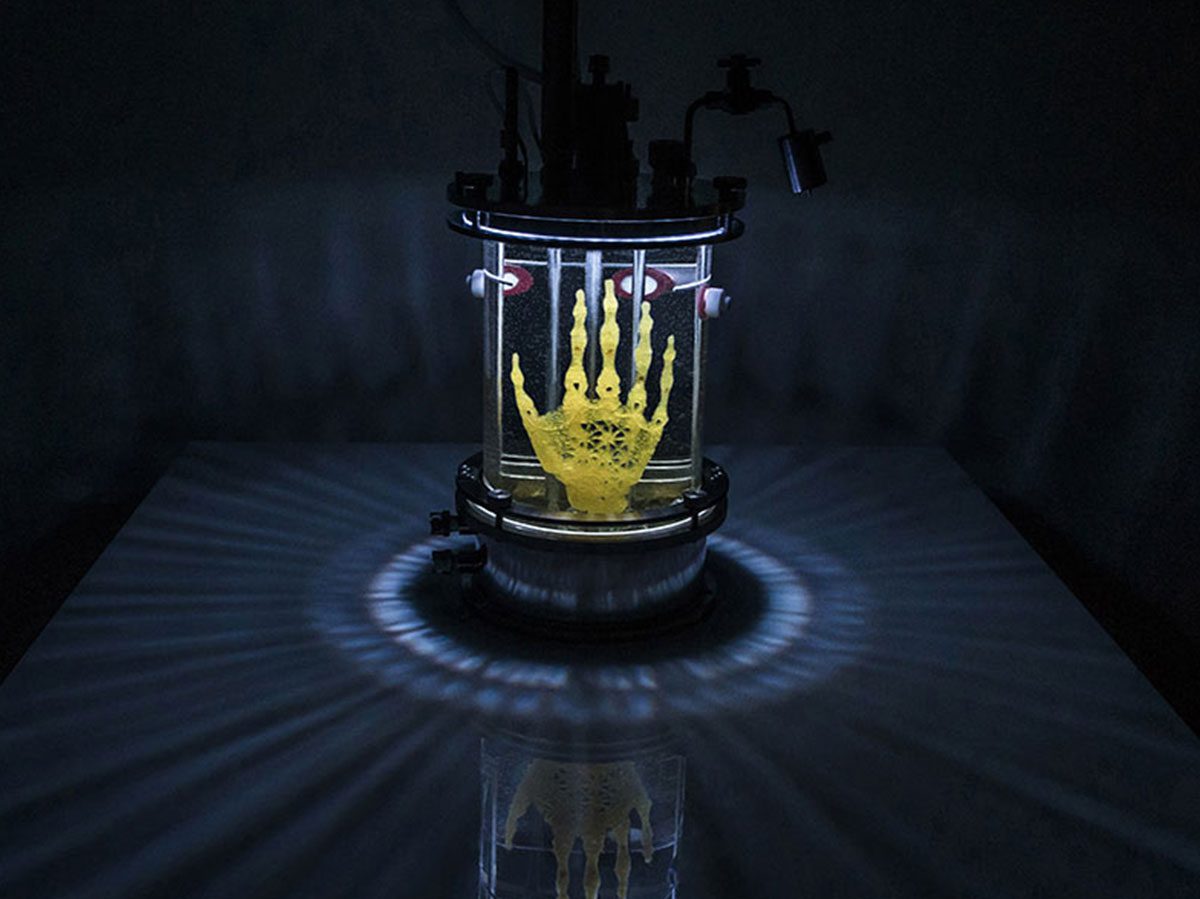
Fig. 1. Amy Karle, “Regenerative Reliquary”, AmyKarle BioArt, https://b735439.smushcdn.com/735439/wp-content/uploads/2019/05/MAIN-regenerative-reliquary-by-amy-karle_2.jpg?lossy=1&strip=1&webp=1
One of the projects that I found interesting was Victimless Leather by Oron Catts and Ionat Zurr. They created a tiny, stitchless jacket out of mouse cells. It was put on display at the MoMA, but just five weeks into the exhibit, the jacket had to be removed because the living cells had outgrown the incubator system (Catts & Zurr, 2004). When artists work with mediums such as living cells, do they have the same responsibilities as a scientist? And is the work alive or only in a metaphorical way?

Fig. 2. Ionat Zurr, “Victimless Leather”, The Tissue Culture & Art Project, https://tcaproject.net/wp-content/uploads/2018/12/TCA-Project-Victimless-Leather-Oron-Catts-and-Ionat-Zurr.jpg
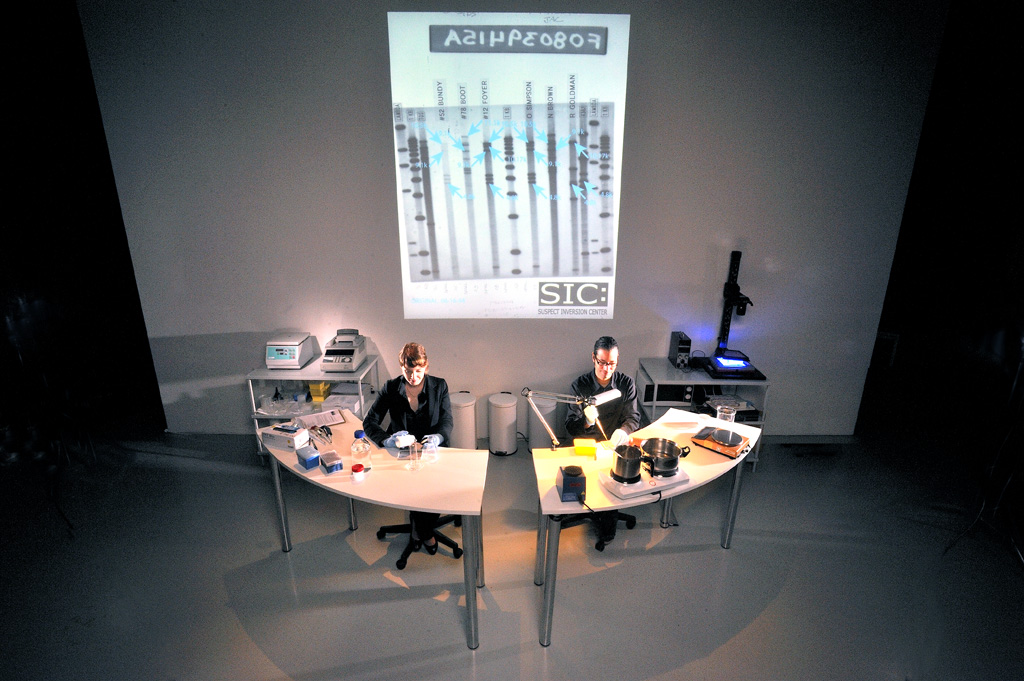
Very similarly, Paul Vanouse’s Suspect Inversion Center uses his DNA to create forensic images from the O.J. Simpson trial, blurring the line between art and science, and showing how subjective forensic visuals can be processed (Vanouse, 2025).

Fig. 3. Axel Heise, “Suspect Inversion Center”, Ernst Schering Foundation, https://www.paulvanouse.com/Transmediale%20-%2006.jpg
Other artists are using biotech to challenge corporate control and public misconceptions. For example, the Critical Art Ensemble displayed withering crops that were killed using enzymes from a health food store (Miranda, 2013). This hands-on and shock value approach is what makes these pieces of art effective. There is no academic jargon, and it gets people to engage with real issues such as who owns genetic material and who benefits from biotech.
There are some tough questions about how science is intertwined with power. I think biotech + art is an interesting space because I think the intersection allows for science to meet meaning and vice versa.
References
Catts , O., & Zurr, I. (2004). Victimless Leather. The Tissue Culture & Art Project. https://tcaproject.net/portfolio/victimless-leather/
Levy, E. K. (2014). Defining Life: Intellect Books, 275–298. https://doi.org/10.2307/j.ctv36xvqqx.16
Miranda, C. A. (2013, March 18). Weird Science: Biotechnology as Art Form. ARTnews.com. https://www.artnews.com/art-news/news/biotechnology-as-art-form-2184/
Peter, R. M. (2023, October 10). Bridging Science and Art: Five bioartists you should know about. Labiotech.eu. https://www.labiotech.eu/best-biotech/five-bioart-artists-you-should-know-about/
Vanouse , P. (2025). Browser Isolation · Zscaler. Paulvanouse.com. https://www.paulvanouse.com/sic.html



Hi Kylie! I resonate with what you said about ethics, after engaging with this week's material I was also questioning where the fine line is when dealing with ethics. What is considered art and what is considered too far? However, I also thought it was interesting how some artists use biotech and art to also challenge ethics within research. I also think that the mix of biotech and art allows for there to be meaning within each other.
ReplyDelete